
GB Rail Training
Loading...
Browse and take your railway safety assessments.
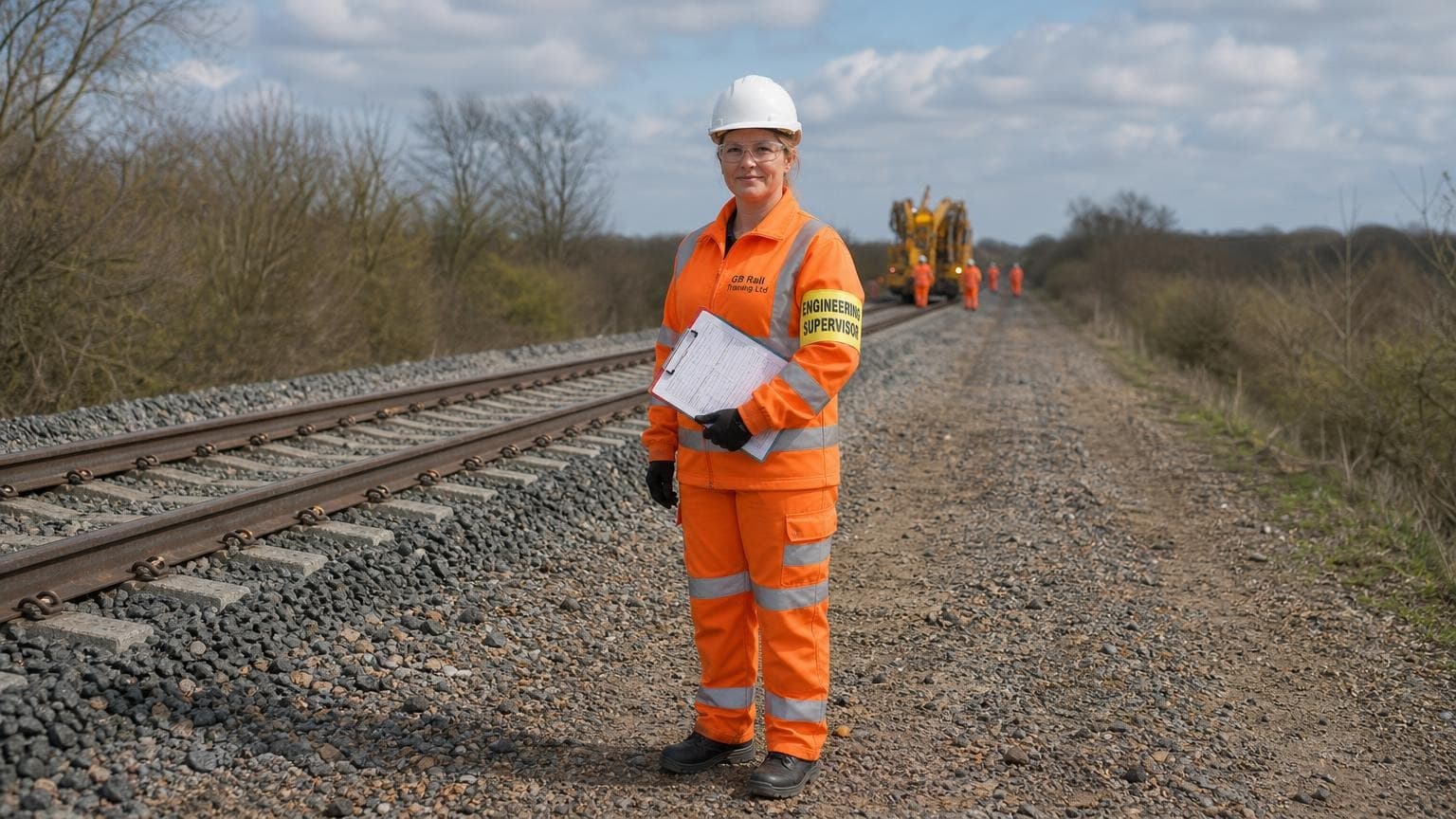
Role and work site: Engineering Supervisor identification and certificate, setting up the work site, Work Site Marker Boards, and the Work-site Certificate (RT3199), under GERT8000-HB12 Issue 11 (December 2025).Safe systems and level crossings: Agreeing safe systems of work with each COSS and IWA, and authorising movements over level crossings and within the work site.Possession procedures: Protection zones, suspending and giving up the work site, and handover of duties.
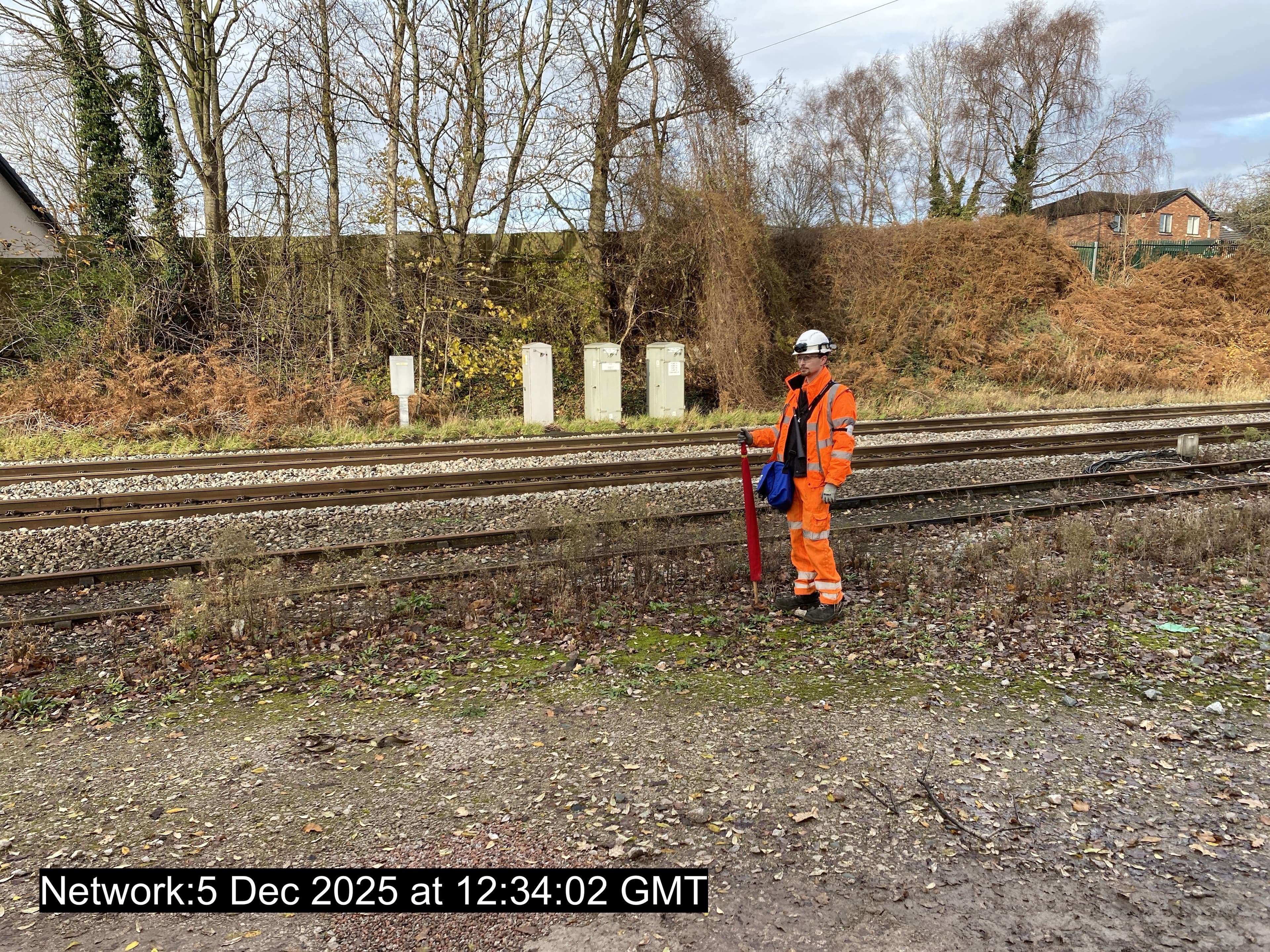
Role purpose: How a Site Warden identifies themselves, positions to watch the work group, and controls the group's safe limits on or near the line.Key behaviours: Clear identification by armlet or badge, continuous watching of the group and boundary, and a reliable warning method if anyone strays.Risk control: Escalating promptly to the COSS, maintaining the minimum safe distance, and staying free of distractions while on watch.
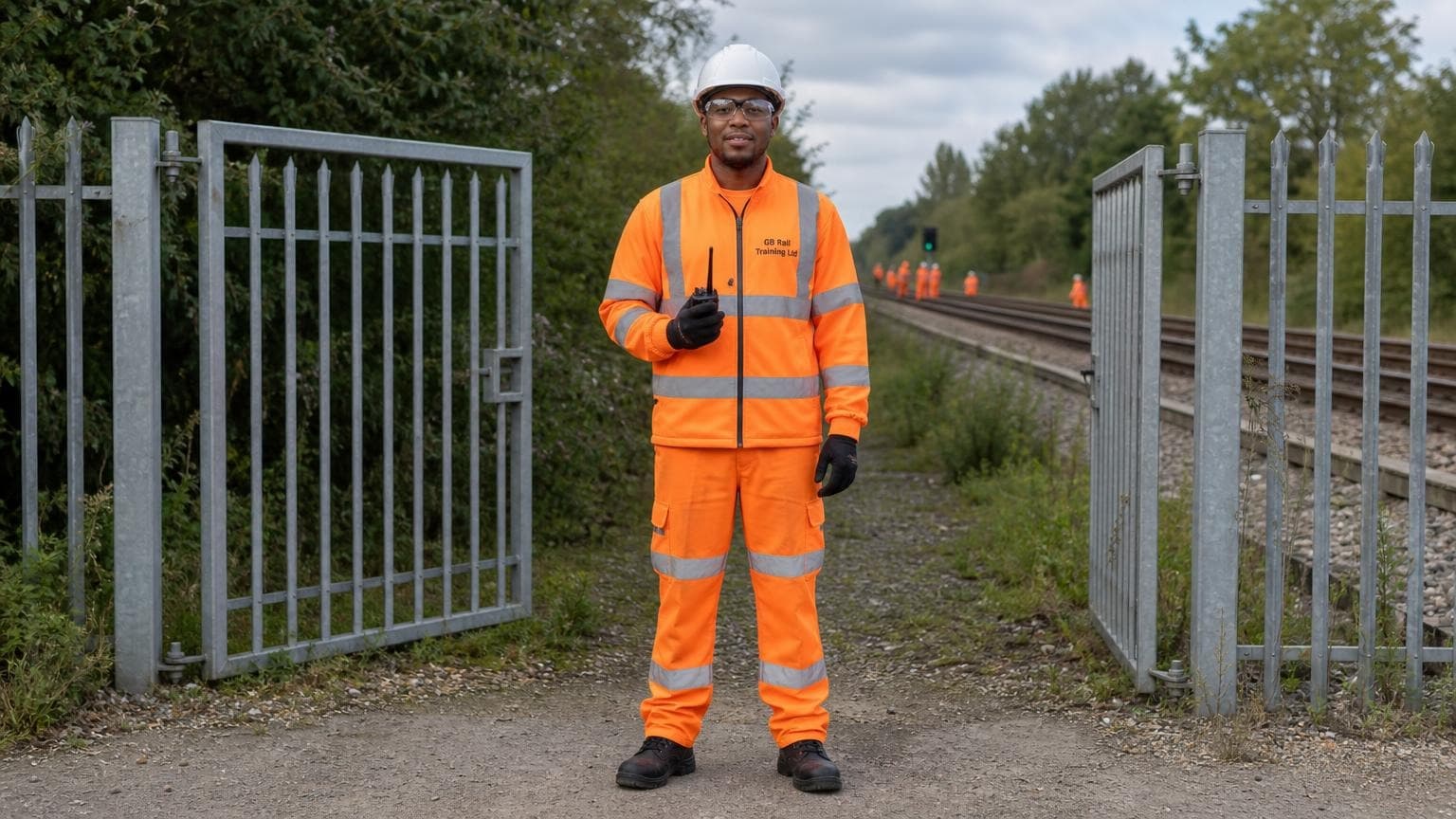
PS core: Role and duties of Possession Support under PICOP/ES instruction.Planning and preparation: Site checks, access/egress, and equipment before starting work.Protection and communication: PLBs, detonators, SPRS, and safety-critical communication during possession.

Safe working near DC conductor rail: hazards, safe distance, and safe crossing methods.Controls and equipment: shields, insulating tools, and what to do if equipment is damaged.Procedures and planning: CRP/isolation basics, test before touch, emergency switch-off, and Risk Levels 1–3.


Role and appointment: Who appoints a lookout, competence and identification, positioning, and the purpose of a lookout, under GERT8000-HB3.Warnings and conduct: Warning methods, the urgent warning, warning time, briefing requirements, and avoiding distractions.Limits of the role: Loss of view, being unable to stay alert, leaving your position, and site lookout restrictions in poor visibility, darkness and tunnels.

Explains how to plan and work safely as Individual Working Alone (IWA), including when walking on or near the line is permitted.Covers when and how to arrange protection, including blocking a line and key possession/worksite interfaces.Reinforces safety-critical communications and decision-making for hazards, incidents, and emergencies.
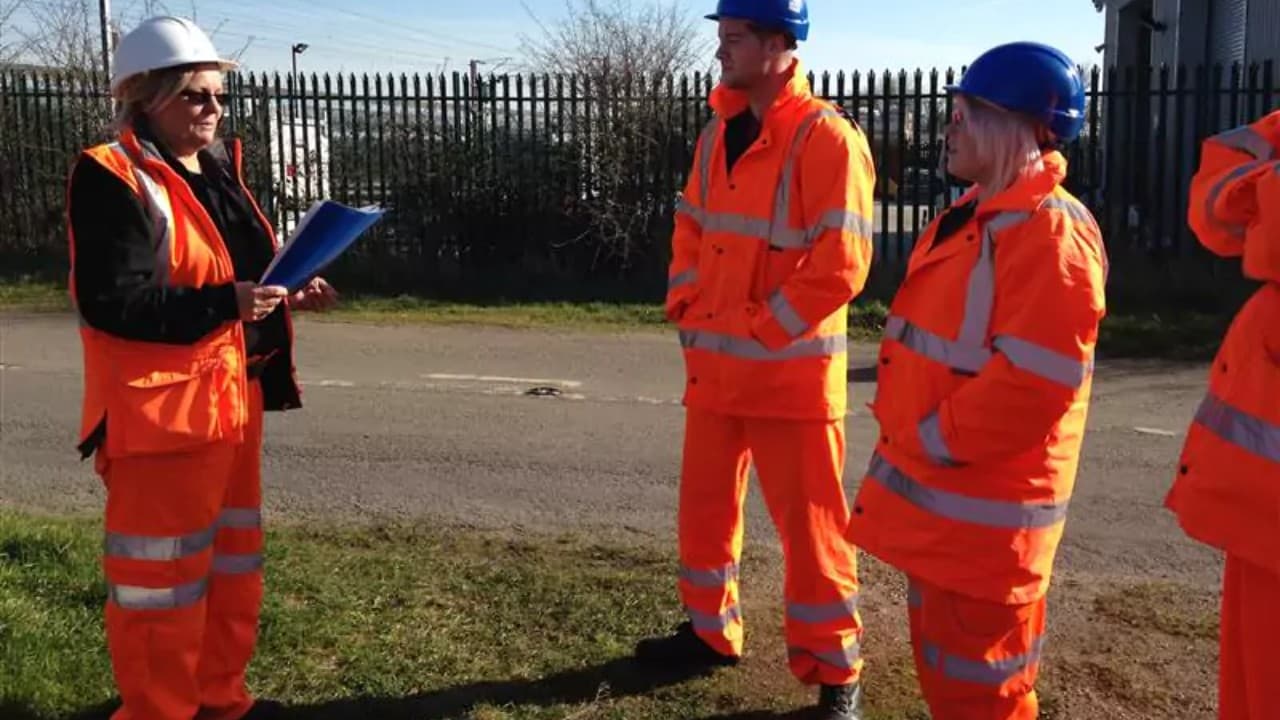
Role purpose: How the PIC/COSS plans, briefs and controls safe work on or near the line.Key behaviours: Clear understanding through stop-work, challenge/response, and repeat-back, plus effective supervision of the work group.Risk control: Managing interfaces, maintaining limits/boundaries, and preventing common errors during set-up, delivery, and close-out.
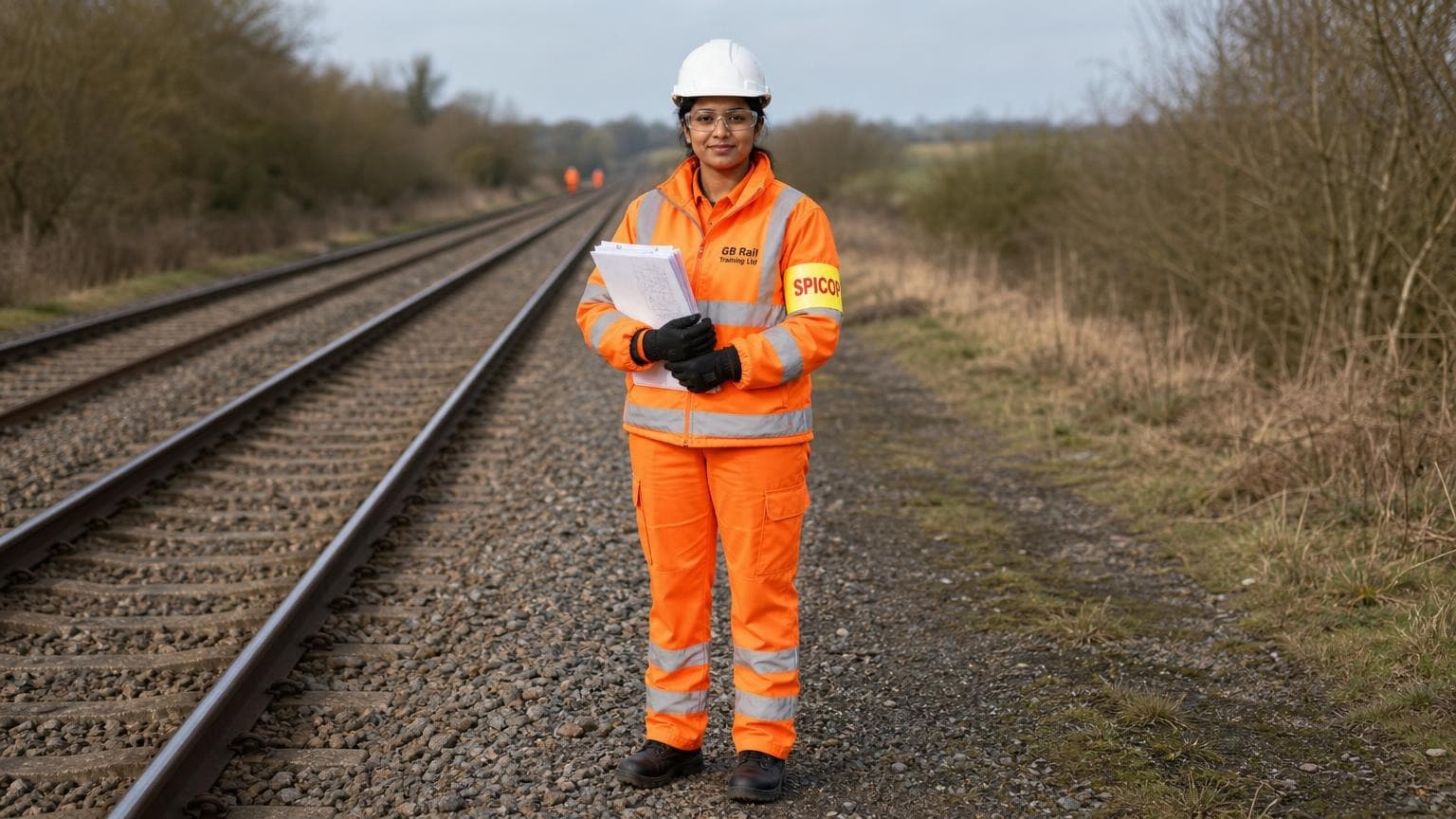
Role: The duties of the Senior Person in Charge of Possession (SPICOP) when taking, controlling and giving up a possession, under GERT8000-HB11.Topics: taking the possession, protection and detonators, work sites and WSMBs, train movements, level crossings, changes and handover, giving up the possession, and Line Clear Verification (NR/L3/OPS/084 Issue 7).Assessment: 45 questions, 60 minutes, pass mark 95%.
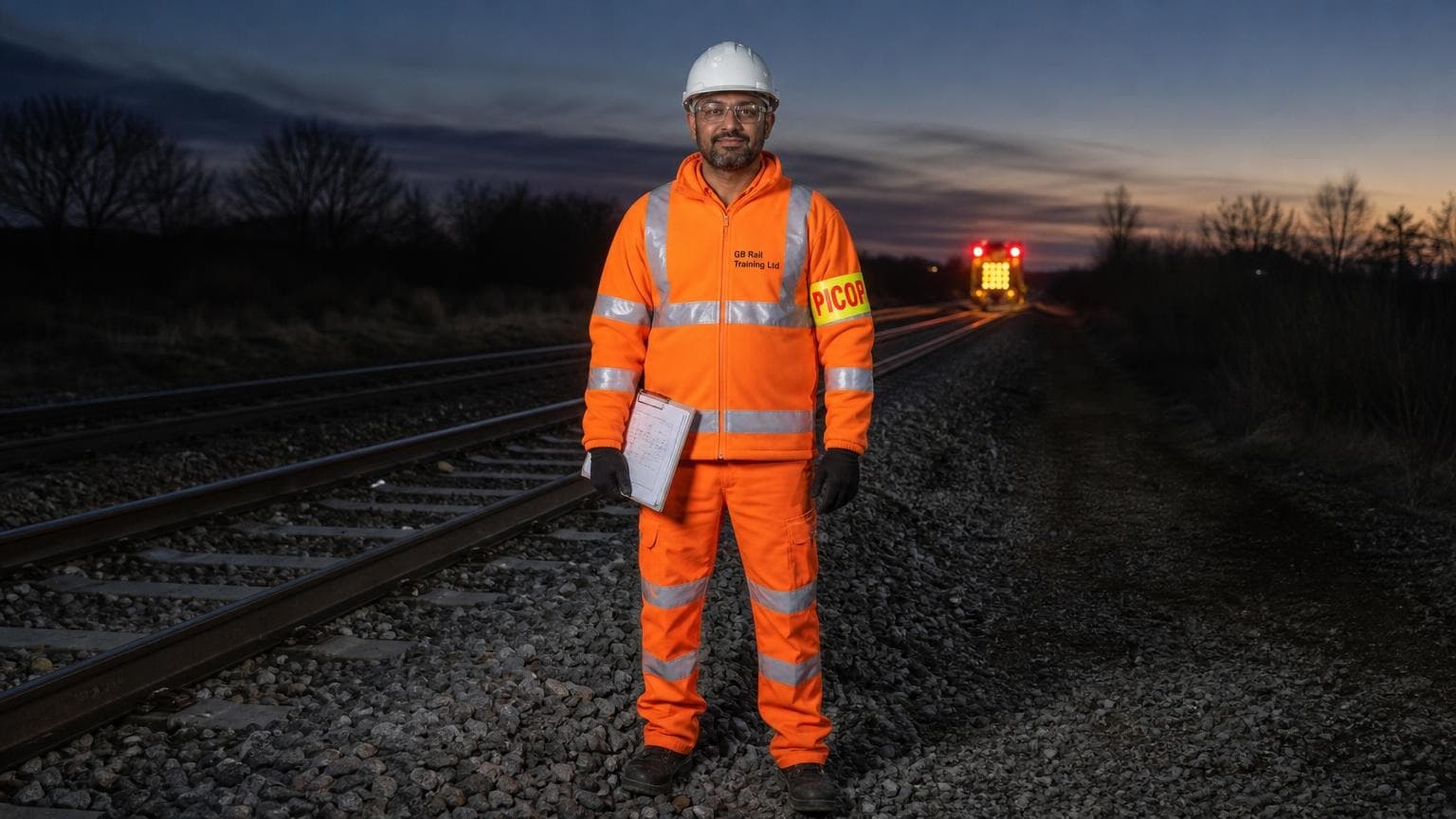
Role and identification: PICOP duties, Sentinel requirements, armlet identification, and possession publication under GERT8000-HB11 Issue 11.Protection and train movements: Detonator protection, Possession Limit Board, Work Site Marker Boards, one authorised movement at a time, and level crossing controls.Giving up the possession: ES assurance, removal of protection, confirming with the signaller, and handover to a relieving PICOP.
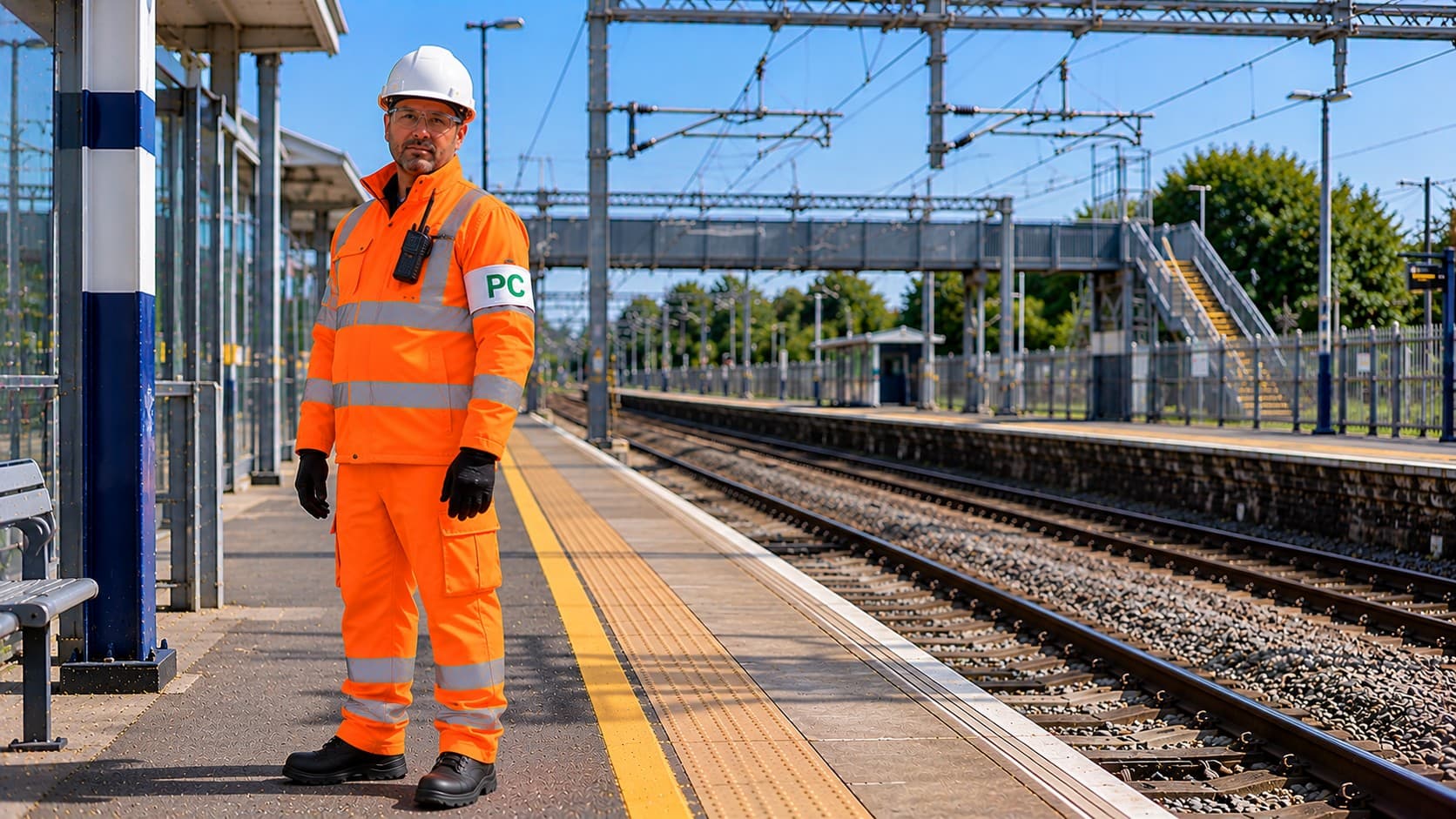
Role and appointment: When a protection controller is needed, how the PC is identified, and the PC's overall control of a shared line blockage, under GERT8000-HB8.Blocking the line: Agreeing the details with the signaller, the NR3180 form, additional protection, authority numbers, and working close to the protecting signal.During and after the line blockage: Red flags and red lights, handing over, suspending, resuming and giving up the line blockage.
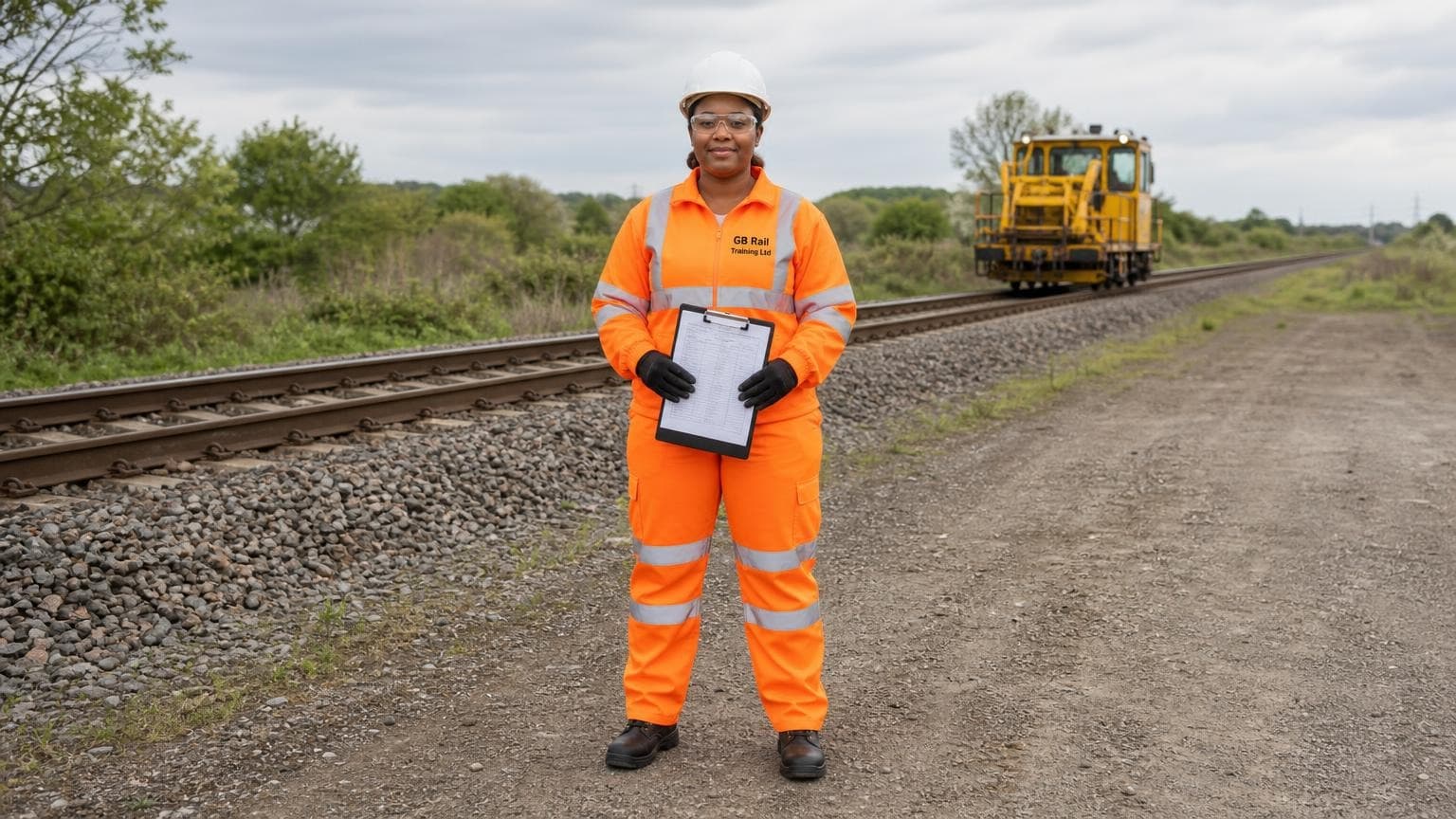
Protecting people on rail vehicles: Personal ID, vehicle protection, and working alone, in sidings, in depots and at platforms.Line protection: Arranging protection for sidings, points that give access, and movements entering a siding.Adjacent lines and failed trains: Asking the signaller to block an adjacent line, identifying your location, and walking to a failed train.
PTS core: Safe access, positions of safety, and emergency actions on or near the line.Safe systems: Safeguarded, fenced, and separated sites, plus lookout and site warden warnings.PTS (AC): Additional controls for 25 kV OHLE, including approach distances and Form C.