

GB Rail Training
Loading...
Learn, practice, and test your knowledge.
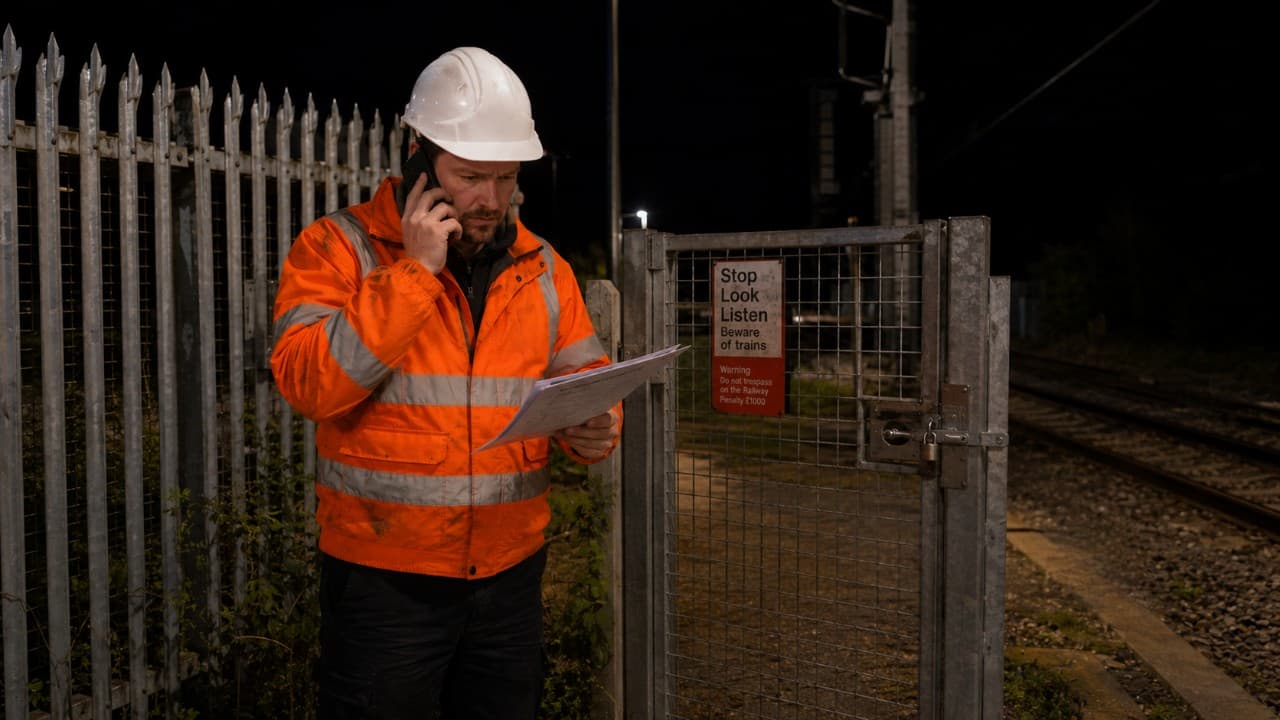
PS core: Role and duties of Possession Support under PICOP/ES instruction.Planning and preparation: Site checks, access/egress, and equipment before starting work.Protection and communication: PLBs, detonators, SPRS, and safety-critical communication during possession.

PTS core: Safe access, positions of safety, and emergency actions on or near the line.Safe systems: Safeguarded, fenced, and separated sites, plus lookout and site warden warnings.PTS (AC): Additional controls for 25 kV OHLE, including approach distances and Form C.

Managing demands: Handling multiple tasks without losing focus or accuracy.Prioritising safety: Identifying and acting on safety-critical information first.Maintaining control: Staying organised and effective as workload increases.

Staying calm: Remaining composed and clear-headed when conditions become stressful.Process discipline: Following correct procedure even when under time pressure.Safe decision-making: Choosing safe actions when conditions change unexpectedly.

Clear communication: Sharing information accurately and understanding others.Appropriate challenge: Speaking up when something isn't right, respectfully.Working relationships: Supporting colleagues and maintaining professionalism on site.

Accepting feedback: Responding constructively to guidance and correction.Asking questions: Seeking clarity rather than assuming or guessing.Applying learning: Using feedback to improve future safety performance.
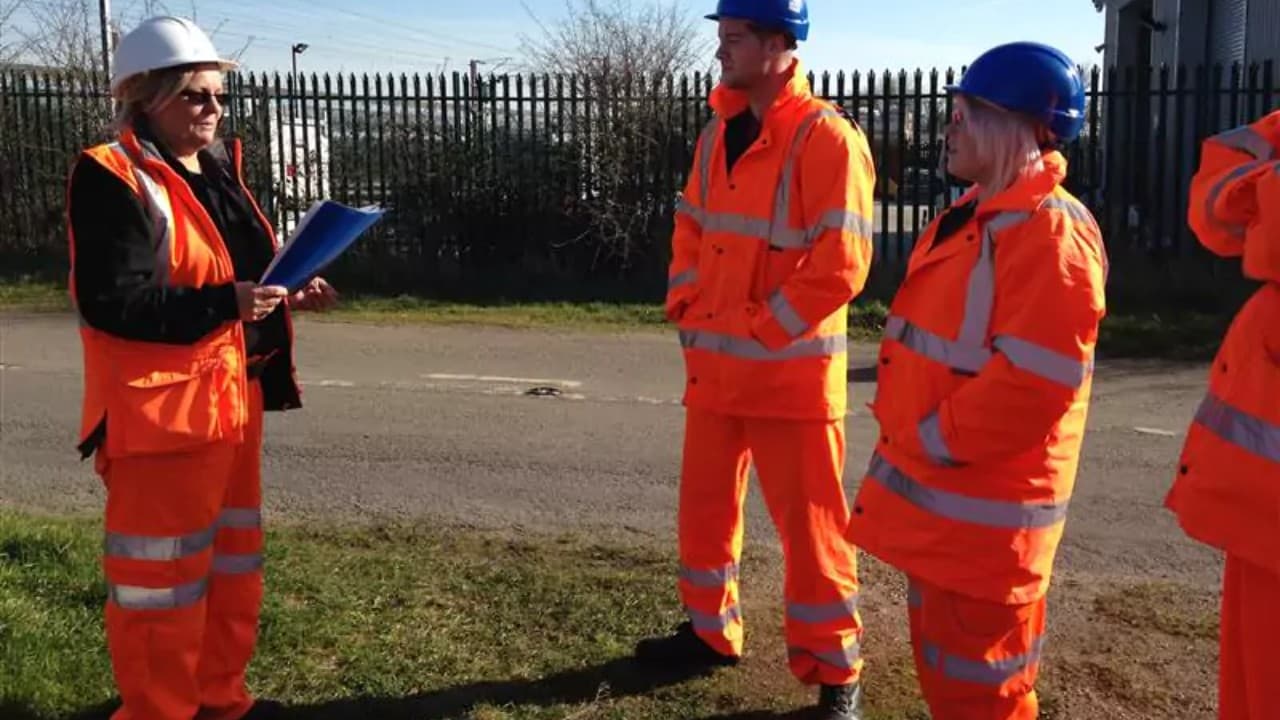
Role purpose: How the PIC/COSS plans, briefs and controls safe work on or near the line.Key behaviours: Clear understanding through stop-work, challenge/response, and repeat-back, plus effective supervision of the work group.Risk control: Managing interfaces, maintaining limits/boundaries, and preventing common errors during set-up, delivery, and close-out.

Attention to detail: Spotting errors, inconsistencies, or risks others might miss.Preparation and checking: Verifying equipment, documents, and conditions before starting work.Task commitment: Completing work correctly and thoroughly, without cutting corners.

Work planning: Organising tasks logically before starting work.Risk consideration: Identifying hazards and factoring them into decisions.Practical action: Selecting safe, workable solutions using available information.
Behavioural core: Understanding of safe behaviours and expected standards of conduct.Rule compliance: Following rules and procedures without shortcuts.Professional conduct: Maintaining safe, disciplined behaviour consistently.

Scanning and detection: Actively looking for hazards and warning signs.Anticipating change: Recognising when conditions are starting to shift.Risk awareness: Staying alert to developing dangers on or near the line.